IPL 2026: BCCI Cracks Down on Dressing Room Reels and Social Media Content
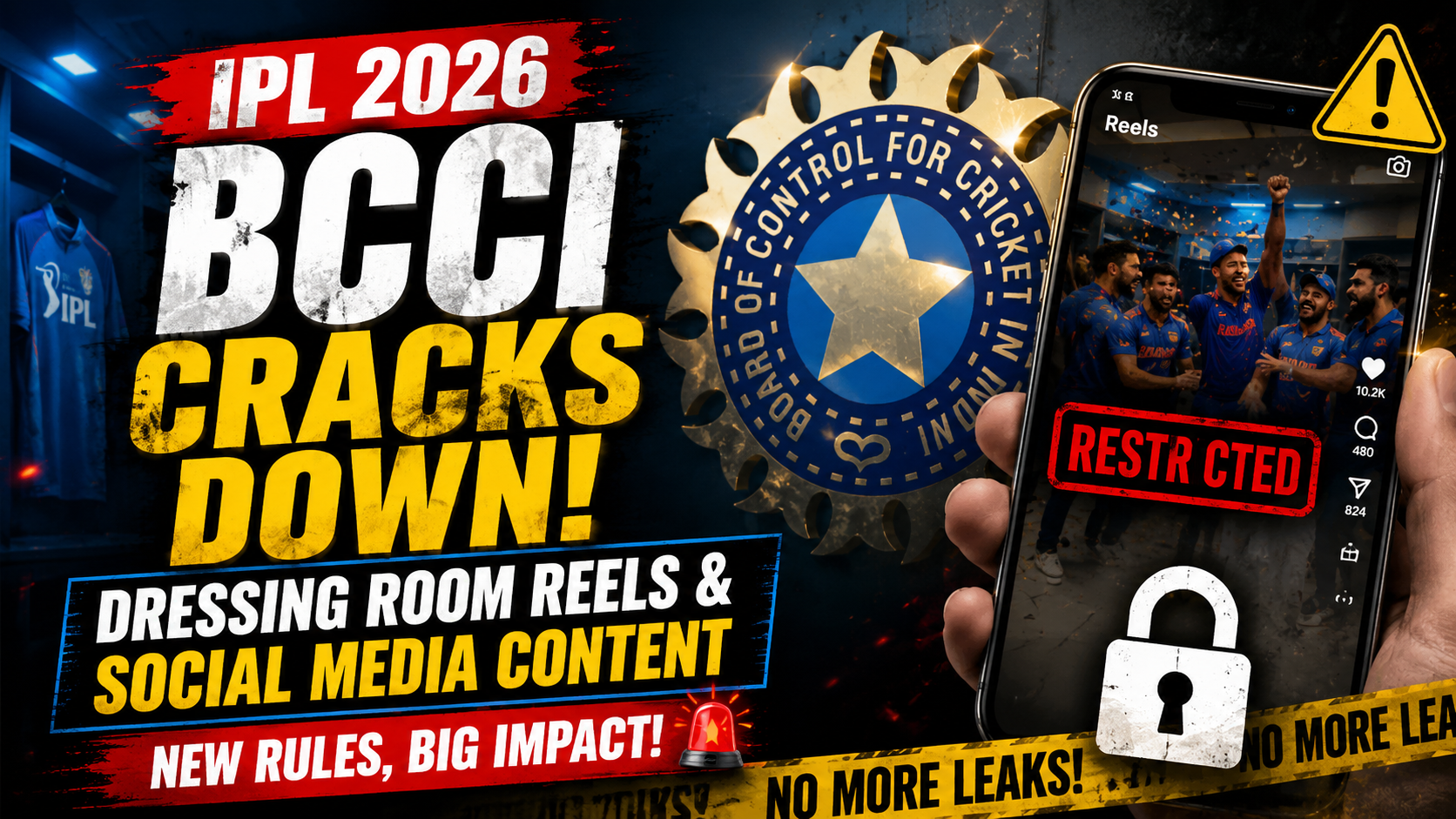
The BCCI has reportedly taken a strict stand against the growing “reel culture” inside IPL 2026 camps, warning players, families, and support staff against sharing excessive behind-the-scenes content on social media. The move comes amid rising concerns over insider information leaks, security risks, and possible corruption threats during the tournament. Over the last few seasons, IPL teams have become heavily active on Instagram and YouTube, regularly posting dressing-room celebrations, travel clips, strategy-room moments, and candid player interactions. While fans loved the access, the board now appears concerned that the trend may be crossing sensitive boundaries.
BCCI Tightens IPL 2026 Social Media Rules
According to reports, franchises have received fresh instructions regarding what can and cannot be shared online during IPL 2026. The BCCI reportedly wants tighter control over dressing-room footage, team discussions, practice sessions, and player routines. Officials fear that even small details shown in viral reels could unintentionally reveal tactical information, injury updates, team combinations, or internal conversations before matches. The concern has reportedly increased because IPL teams now generate millions of views through social media content, with fans constantly demanding “inside access” into player life during the tournament.
IPL Dressing Room Reels Under Scanner
The biggest focus of the new restrictions appears to be dressing-room content. In recent years, IPL franchises have made dressing-room videos a major part of fan engagement. Emotional speeches, celebration clips, strategy reactions, and funny player moments often go viral within minutes. However, sources suggest the BCCI now believes some content may compromise privacy and create unnecessary security risks. There are also fears that certain clips could indirectly help betting networks or leak important match-related information before official announcements. That angle reportedly pushed the board to act more aggressively this season.
Fans React to BCCI’s IPL Reel Culture Crackdown
The reported crackdown has already sparked strong reactions across social media. Some fans supported the move, arguing that franchises had started prioritizing “content creation” too much instead of cricket itself. Others, however, believe behind-the-scenes videos helped fans feel more connected to players and made IPL coverage more entertaining. Several users on X and Instagram even joked that IPL teams now behave “more like influencers than cricket franchises.” Despite mixed reactions, many cricket experts believe the BCCI’s decision was expected sooner or later because the line between entertainment and sensitive team information had started becoming blurred.
IPL Franchises May Need to Change Content Strategy
The new rules could significantly impact how IPL teams manage digital content going forward. Franchises like Mumbai Indians, Royal Challengers Bengaluru, and Rajasthan Royals have built massive online engagement through reels, locker-room videos, and player interaction clips. Restricting such access may force teams to rethink their social media strategy during IPL 2026. At the same time, the BCCI reportedly wants franchises to focus more on controlled and approved content rather than spontaneous behind-the-scenes uploads. Many insiders believe this is only the beginning, and stricter digital-media guidelines could become permanent in future IPL seasons.
IPL 2026 Controversy Adds New Twist to Tournament
The controversy has added another dramatic storyline to an already intense IPL 2026 season filled with playoff pressure, captaincy debates, injuries, and viral moments. While the BCCI has not publicly detailed every restriction yet, the message from the board appears clear — protecting team privacy and tournament integrity now takes priority over viral social media engagement. As IPL continues growing into one of the world’s biggest sports-entertainment leagues, balancing fan access with security concerns may become one of cricket’s biggest modern challenges.