MI vs RCB Controversy: MCC Questions Umpires Over Slow Match in IPL 2026
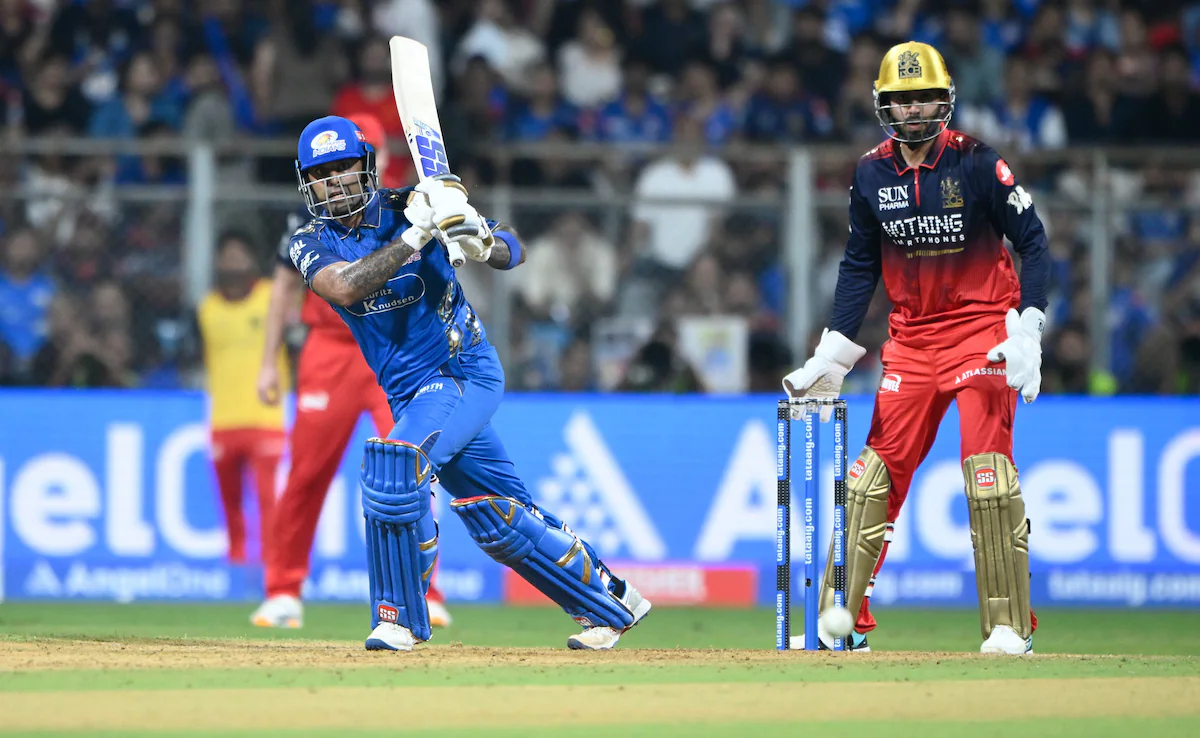
The IPL 2026 clash between Mumbai Indians and Royal Challengers Bengaluru has sparked a major controversy, not just because of the result but due to the unusually long duration of the match. The game lasted for a staggering 4 hours and 22 minutes, raising serious concerns about time management in T20 cricket.
Now, the Marylebone Cricket Club (MCC) has stepped in, with its head of cricket, Fraser Stewart, openly criticising the umpires for allowing the game to slow down.
Why MI vs RCB Match Became a Big Issue
In modern T20 cricket, matches are expected to finish within around 3 hours and 30 minutes. However, the MI vs RCB game went far beyond that, stretching over four hours.
This raised eyebrows among fans, experts, and officials, as such delays can impact the viewing experience and disrupt the flow of the game.
- Total match time: 4 hours 22 minutes
- Multiple stoppages during the game
- Frequent breaks and delays between overs
This is not the first time such delays have occurred in IPL 2026, but the scale of this particular match made it a talking point.
MCC Head Fraser Stewart’s Strong Reaction
Fraser Stewart, head of cricket at MCC, did not hold back while sharing his thoughts on the issue. He called the slow pace of the match a “real problem” and pointed out the lack of urgency during the game.
"It's a real issue. What struck us was the pace - how slow it was, with so many stoppages."
Stewart highlighted that players and officials did not show enough urgency, with too many interruptions affecting the natural rhythm of the match.
“Umpires Were Letting It Be Slow”
One of the biggest talking points from Stewart’s statement was his direct criticism of the umpires.
"The umpires were letting it be slow. It is their job to keep the game moving."
According to him, umpires play a crucial role in maintaining the pace of the game. However, in this case, they failed to enforce rules strictly, allowing delays to continue.
This has now opened up a wider debate on the role and accountability of umpires in T20 cricket.
What Caused So Many Delays?
Several factors contributed to the extended duration of the MI vs RCB match:
- Frequent player movements on and off the field
- Extended strategic breaks and discussions
- Time taken between overs
- Commercial and broadcasting interruptions
Stewart also pointed out that the increasing number of on-field interruptions is affecting the overall pace of the game.
MCC Suggests New Rules to Fix the Problem
To address this issue, Stewart suggested that IPL could adopt stricter rules similar to those used in other formats like The Hundred.
In that format, a strict timer is used to ensure that the next batter is ready within a limited time.
- 60-second timer between wickets
- Penalty runs for delays
- Strict enforcement of rules
Such measures could help reduce unnecessary delays and keep the game moving at a faster pace.
Should Umpires Be Penalised?
One of the most surprising suggestions made by Stewart was the idea of penalising umpires for slow over-rates.
"One suggestion is to fine umpires if over-rates are poor."
This suggestion has sparked debate, as traditionally, captains are penalised for slow over-rates, not the umpires.
If implemented, this could bring a major change in how matches are controlled in the IPL.
Impact on Fans and Broadcast Experience
Long matches can negatively affect the fan experience, especially for viewers watching live or on television.
- Viewers may lose interest due to delays
- Late-night finishes affect audiences in different time zones
- Disrupts broadcasting schedules
With IPL being one of the most watched cricket leagues in the world, maintaining a smooth and engaging experience is extremely important.
RCB vs MI Result Takes a Backseat
Interestingly, the controversy around the slow match overshadowed the actual result of the game.
Royal Challengers Bengaluru defeated Mumbai Indians by 18 runs in a high-scoring encounter, but much of the discussion after the match focused on the delays rather than the cricket itself.
This shows how significant the issue has become in the tournament.
What Needs to Change in IPL 2026?
To avoid such situations in the future, IPL may need to take strict steps:
- Stronger enforcement of over-rate rules
- Limiting unnecessary on-field interruptions
- Introducing time penalties
- Holding umpires more accountable
These changes could help ensure that matches finish on time without affecting the quality of cricket.
Conclusion
The MI vs RCB match has highlighted a growing problem in T20 cricket — slow over-rates and extended match durations.
With the MCC now raising concerns, IPL authorities may be forced to take action to improve time management in future matches.
As the tournament progresses, all eyes will be on whether any changes are implemented to address this issue.